Smart Interiors for a Future Ready Hyderabad
Hyderabad’s residential spaces are rapidly evolving to support smarter, more adaptable lifestyles. Interior design trends now focus on intelligent planning, flexible layouts, seamless technology integration, and sustainable choices. From functional kitchens to minimalist yet tech enabled living spaces, modern interiors prioritize everyday comfort and efficiency. By embracing adaptability and long term thinking, smart interior design is shaping homes that respond effortlessly to changing lifestyles and the demands of modern urban living.
A New Era of Smart Homes in a Rapidly Growing City
Hyderabad is quickly emerging as a technology and innovation hub, and as lifestyles change, there is an increasing demand for spaces that are intelligent, efficient, and future ready. Hyderabad is undergoing a transition where homes are no longer just beautiful but designed to facilitate convenience, sustainability, and comfort. Interior design has become an important element in the facilitation of smart living, where technology and human centric design come together to create spaces that can adapt to changing needs. This is being fueled by the changing nature of work, increased adoption of technology, and the need for comfort driven spaces.
Technology Driven Home Interior Designs
One of the most noticeable shifts in urban living is the integration of technology into home interior designs. Automated lighting, smart climate control, voice activated systems, and app controlled security solutions are becoming standard features in modern homes. Interior layouts are now planned to conceal wiring, optimize device placement, and ensure seamless interaction between design and technology. This integration enhances daily living while maintaining clean, uncluttered interiors that feel calm, intuitive, and easy to manage. Designers also consider future upgrades, ensuring that systems can evolve without disrupting the overall aesthetics.
Interior Design Trends Shaping Smart Living
The latest interior design trends in Hyderabad focus strongly on flexibility, efficiency, and sustainability. Modular furniture, multifunctional spaces, and movable partitions allow homes to adapt to work from home routines and evolving family needs. Designers are also prioritizing eco-friendly materials, energy efficient lighting, and improved airflow. These trends reflect a growing awareness among homeowners who seek interiors that are stylish, responsible, and capable of supporting long term living requirements. The emphasis is on creating spaces that feel modern today while remaining adaptable tomorrow.
The Rise of Smart Kitchens and Functional Living Spaces

Kitchens and living areas are increasingly designed as highly functional zones within smart homes. Open layouts paired with intelligent storage systems, sensor-based lighting, and ergonomic planning improve usability without compromising aesthetics. Designers focus on workflow efficiency, ensuring that everyday tasks feel effortless and organized. This level of planning is now a key expectation among clients working with interior designers in Hyderabad, as functionality and comfort are central to modern living. Smart zoning also helps families balance social interaction with privacy in shared spaces.
Minimalism Meets Intelligence in Modern Interiors
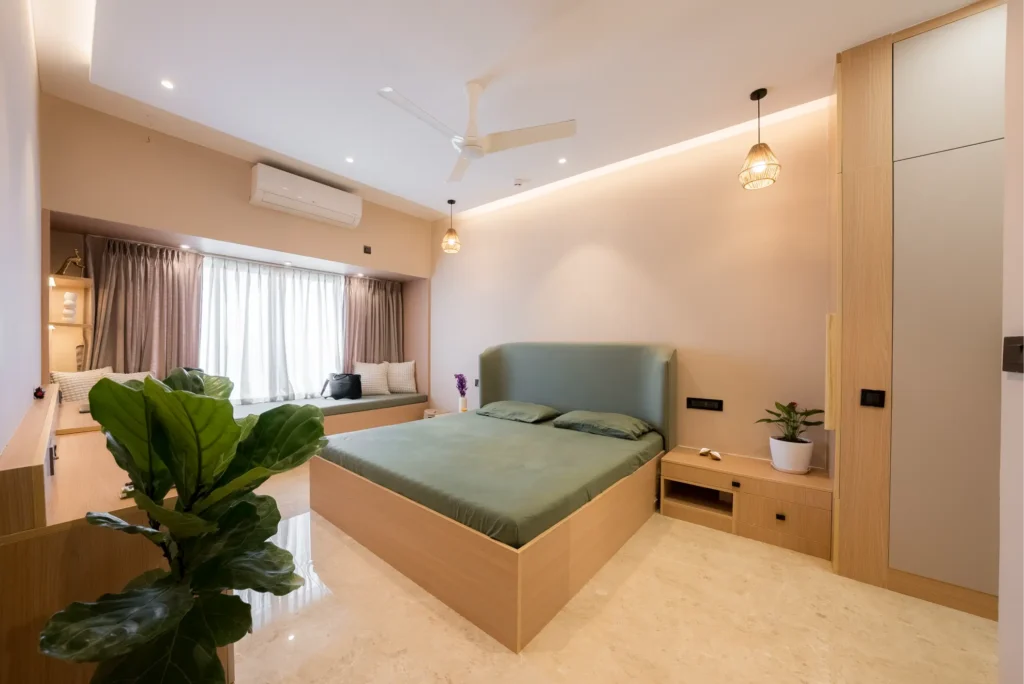
Minimalist interiors continue to dominate urban residences, but with a smarter and more refined approach. Clean lines, neutral palettes, and concealed storage are combined with intelligent systems that reduce visual clutter. Technology is subtly embedded into the design rather than showcased, allowing homes to feel warm, elegant, and personal. This thoughtful balance is a defining quality often associated with the best interior designers in Hyderabad, where intelligent planning enhances both aesthetics and everyday comfort without overwhelming the space.
Cross-City Influence and Design Awareness
Homeowners today are more informed and design conscious than ever before. Many concepts influencing Hyderabad’s smart homes draw inspiration from projects delivered by interior designers of other leading metropolitan regions, where tech enabled living has been well established. This cross city exposure has elevated expectations, encouraging homeowners to demand better layouts, premium finishes, and smarter planning solutions. As a result, design standards are becoming more consistent across metropolitan cities, with a shared focus on innovation and efficiency.
Sustainable Smart Living for the Long Term
Smart living goes beyond automation and includes conscious choices that support sustainability. Water saving fixtures, energy efficient appliances, and daylight optimized layouts are becoming integral to modern interiors. Designers are increasingly focused on reducing long term environmental impact while improving comfort. This holistic approach ensures that technology and sustainability coexist, creating interiors that are both responsible and resilient over time. Sustainable interiors also contribute to healthier indoor environments and reduced operational costs.
Designing Homes That Adapt to Changing Lifestyles
Modern homes must be able to evolve with their occupants. Smart interiors are now designed to accommodate changing routines, growing families, and multi functional usage. Flexible layouts, adaptable furniture systems, and scalable technology solutions allow spaces to transform without major renovations. This adaptability ensures that homes remain relevant, functional, and comfortable as lifestyle needs shift over the years. Such foresight helps homeowners view interior design as a long term investment rather than a one time upgrade.