Modern Interior Styles That Truly Fit Indian Homes
This blog explores seven modern interior styles that work practically and aesthetically in Bengaluru and Hyderabad homes, while explaining how global design trends need adaptation for Indian lifestyles, climate, and apartment layouts. From Indian Minimalist and Japandi to Luxury Modern and Mid-Century, the guide highlights what materials, colours, and layouts work best in local conditions. It also compares style preferences across both cities, shares common design mistakes, and explains which styles suit compact apartments, villas, and family living. The blog ultimately helps homeowners choose interiors that feel timeless, functional, and regionally relevant.
Most interior design styles popular on Pinterest were developed for European climates, North American suburban houses, or East Asian apartments. Translating them to a 3 BHK in Bangalore or a villa in Hyderabad requires more adaptation than most clients realise. A pure Scandinavian palette goes sterile under tropical light. Industrial exposed brick grows mould in Bengaluru’s monsoon. Pure Japandi works only if your daily life is genuinely tidy.
What follows are the seven styles we install most often at Chattels Design, with notes on what works in Indian metro homes and what needs to be adjusted from the textbook version.
1. Indian Minimalist
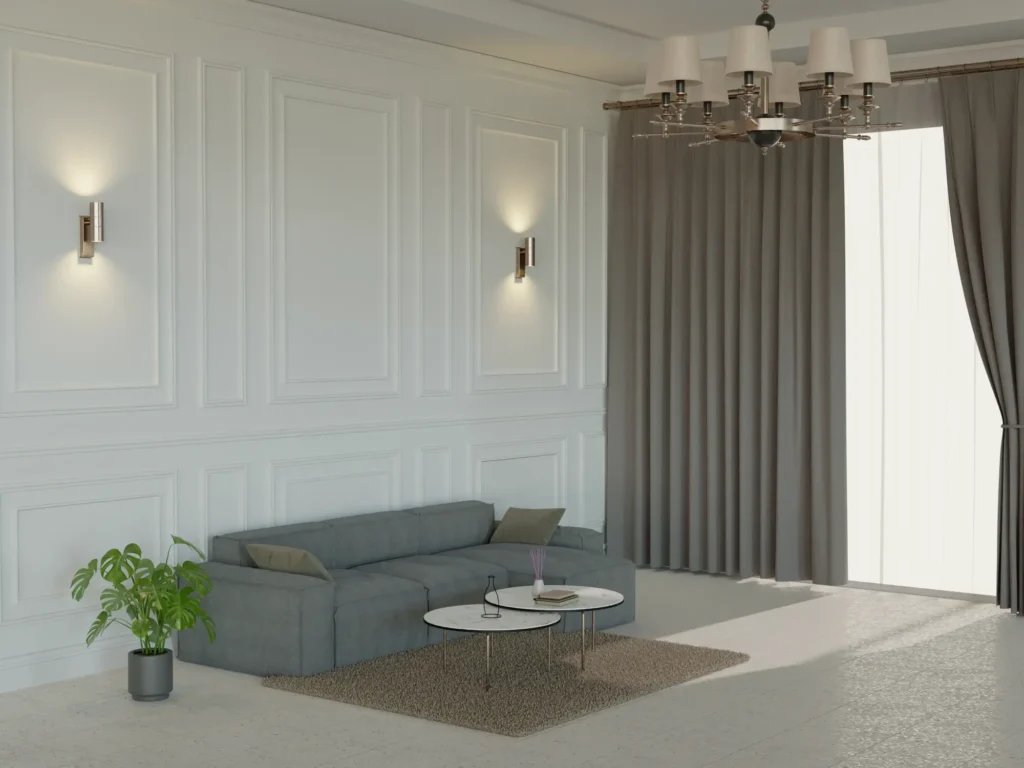
The textbook minimalist palette, bone white, beige, warm grey, muted black, works beautifully in Indian apartments, with one critical adaptation: the addition of a single intentional cultural anchor.
A handloom rug from a Pochampally or Kashmir weaver. A brass diya placed deliberately. A piece of Dhokra metalwork. One Madhubani painting. The cultural anchor stops the room from reading as cold or imported, and gives it a sense of place.
What we typically spec:
- Walls in muted off-white (Asian Paints Royale Aspira “Cotton Comfort” or “Linen White”)
- Large-format vitrified flooring (800×1600mm) in sand or warm grey
- Mango wood or oak veneer furniture with clean profiles
- Handloom cotton textiles, ivory or natural-dye
This style works best in 2–3 BHK apartments where space itself is the luxury. We see strongest demand in HSR, Indiranagar, Kondapur, and Madhapur.
2. Scandi-Tropical
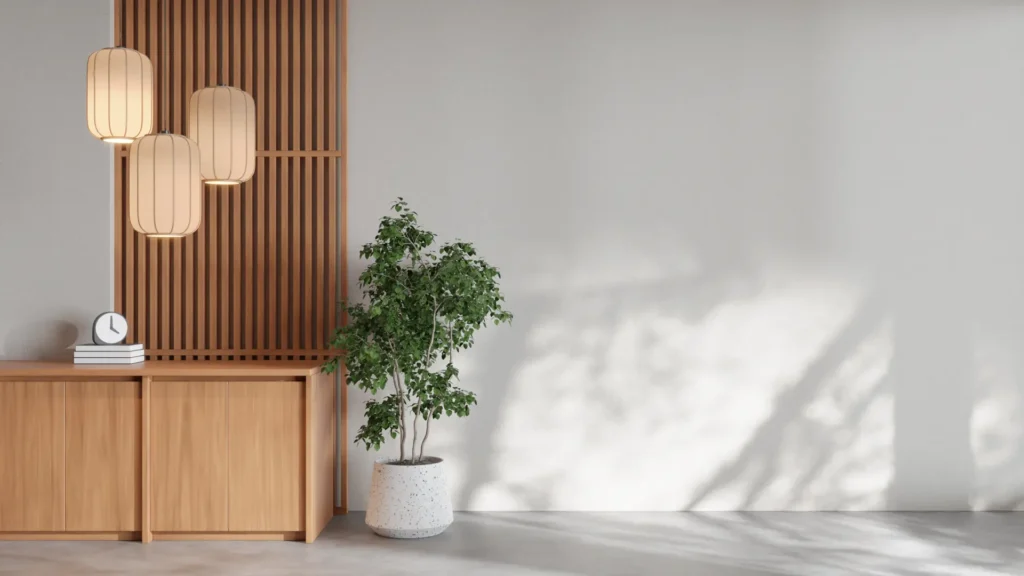
Pure Scandinavian design, developed for cold, low-light Nordic climates, needs adaptation for Indian heat. Wool rugs become unbearable in May; pine furniture warps with monsoon humidity; the typical white-and-blonde-wood palette starts to read sterile in tropical light.
Our adapted version:
- Replace pine with mango wood, white oak veneer, or rubberwood
- Replace wool with cotton, jute, or linen
- Add one or two warm tones (terracotta, mustard, sage) to break the cold-Nordic palette
- Linen sheers on windows, essential, since both cities have intense afternoon light
This style works particularly well for younger couples in 2–3 BHK apartments.
3. Industrial Modern
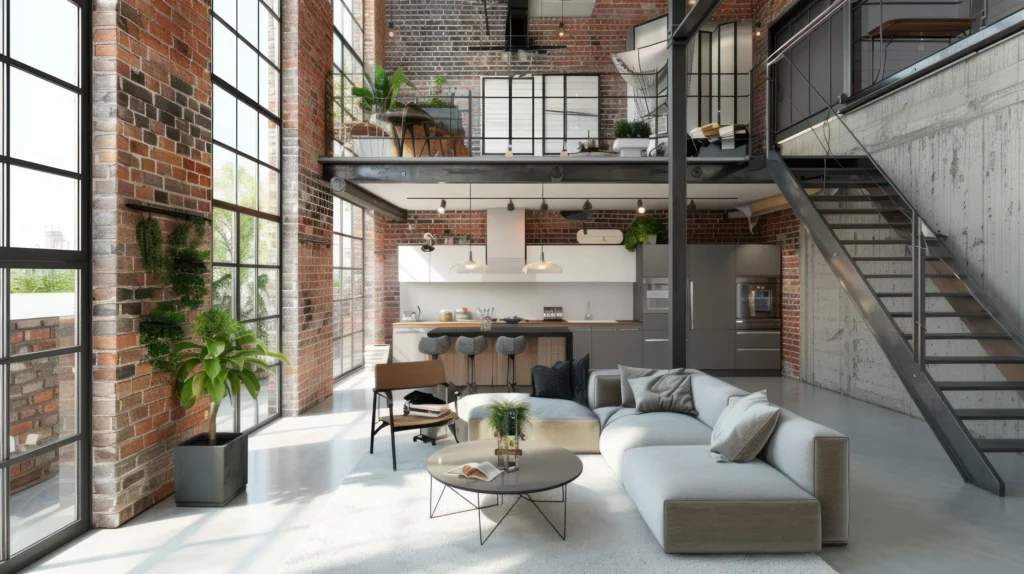
Pure industrial — exposed brick, raw concrete ceilings, steel beams, has serious problems in Indian apartments. Exposed brick in Bengaluru’s monsoon humidity grows mould unless professionally sealed. Concrete ceilings in residential apartments aren’t structurally industrial-grade and look apologetic when imitated.
What we install instead:
- Textured walls using paint techniques (concrete-look paint from Dulux Designer or Asian Paints Texture range) instead of actual exposed concrete
- Faux-brick wallpaper or cement-look panels for one feature wall, properly sealed
- Steel-and-wood furniture (matte black metal frames with reclaimed mango wood)
- Edison-bulb pendant lighting in dining areas
- Polished concrete or large-format charcoal vitrified tiles for flooring
The style suits apartments above 2,000 sqft, and works particularly well in lofts and double-height spaces. We see consistent demand from creative-industry clients across both cities.
4. Modern Contemporary
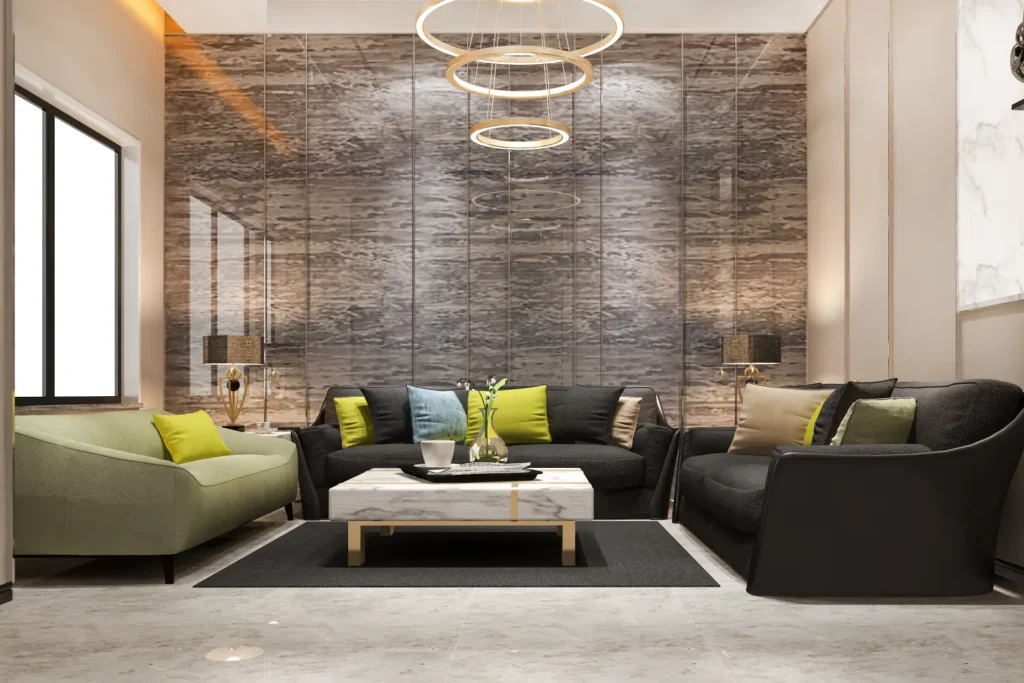
This is what most of our clients actually choose, even when they describe their preference using one of the other style names. It is the dominant style of premium urban Indian apartments, flexible, current, neither aggressively minimalist nor heavily ornamented.
Defining characteristics:
- Mixed materials: wood veneer + quartz + metal accents + lacquered glass
- Neutral base palette (taupe, charcoal, oat, cream) with two or three accent colours
- Furniture lines that lean modern but include comfort pieces
- Layered lighting (ambient + task + accent)
- One or two statement art pieces, not gallery walls
The advantage is that it ages well. Trends shift, but contemporary’s openness to small updates lets the home stay current without renovation. We deliver this style most often to IT and finance professionals across Whitefield, Sarjapur, Gachibowli, and Kondapur.
5. Mid-Century Modern
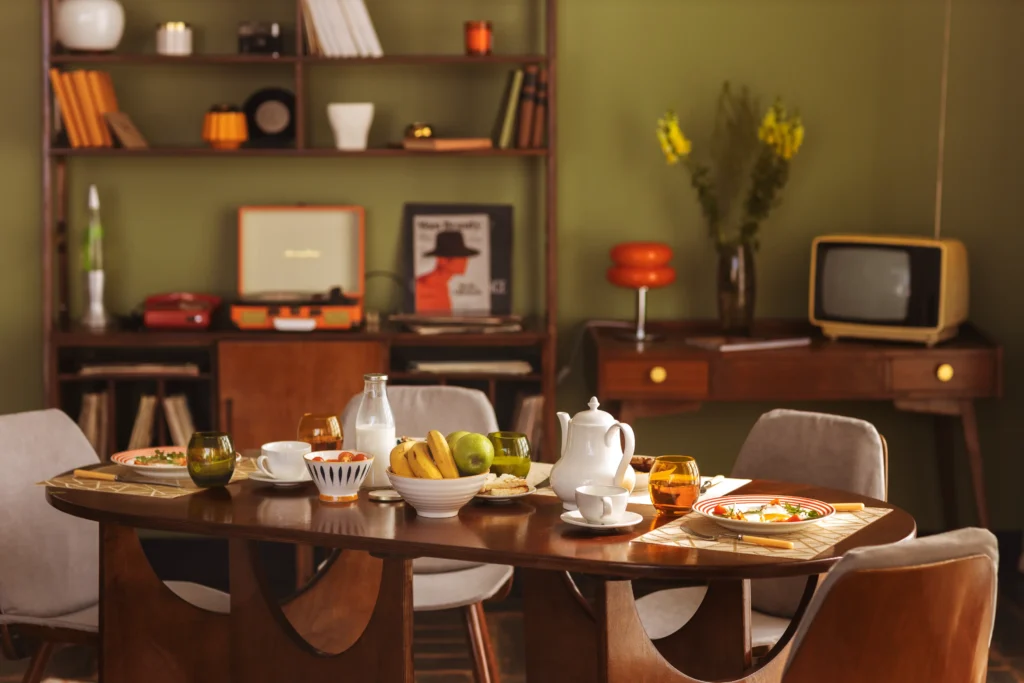
The teak-heavy, clean-lined style of 1950s–60s American design has had a significant revival in Indian premium homes. The look depends heavily on furniture rather than finishes.
What we spec:
- Burma teak or walnut veneer with tapered legs (Eames-inspired)
- A statement lounge chair (Eames replica or original if budget allows)
- Wall colours in mustard, olive, terracotta, or muted teal
- Sputnik or starburst-style pendant lighting
- Geometric textiles in bold colours
This style is harder to do well in compact apartments, the furniture pieces are sculptural and need breathing room. It works beautifully in 3+ BHK apartments and villas. Hyderabad’s Jubilee Hills and Bengaluru’s Sadashivanagar have particularly strong demand.
6. Luxury Modern
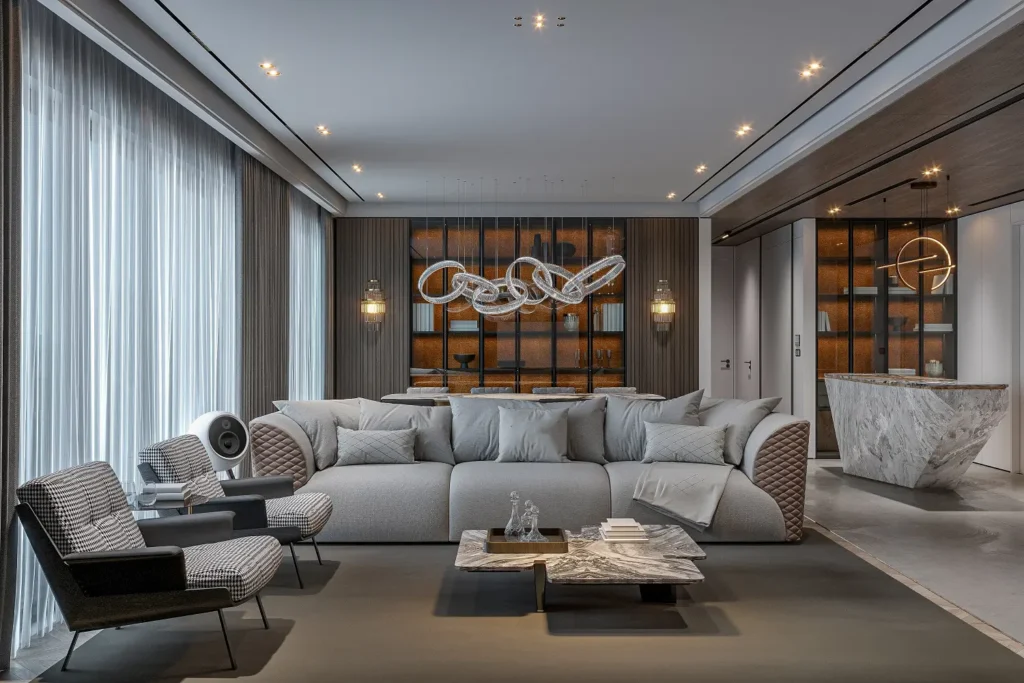
The most expensive style we install consistently. The defining principle is editorial restraint with premium materials.
The ingredient list:
- Italian marble or quartz on at least one major surface (kitchen island, bath vanity, foyer floor)
- PU lacquer kitchen and wardrobe shutters in matte deep tones
- Brass or matte-black hardware
- Statement chandelier in dining and master bedroom
- Velvet or boucle on a single accent piece (sofa, headboard, lounge chair)
- Layered lighting with premium fittings
Where it goes wrong: when clients try to fit “luxury” elements into a small space. A 1,200 sqft 2 BHK trying to be luxury modern almost always reads as overstuffed. This style needs 1,800+ sqft to breathe.
Our luxury modern projects cluster in Whitefield (villas and 4 BHK apartments), Banjara Hills, Jubilee Hills, and parts of Sadashivanagar.
7. Japandi
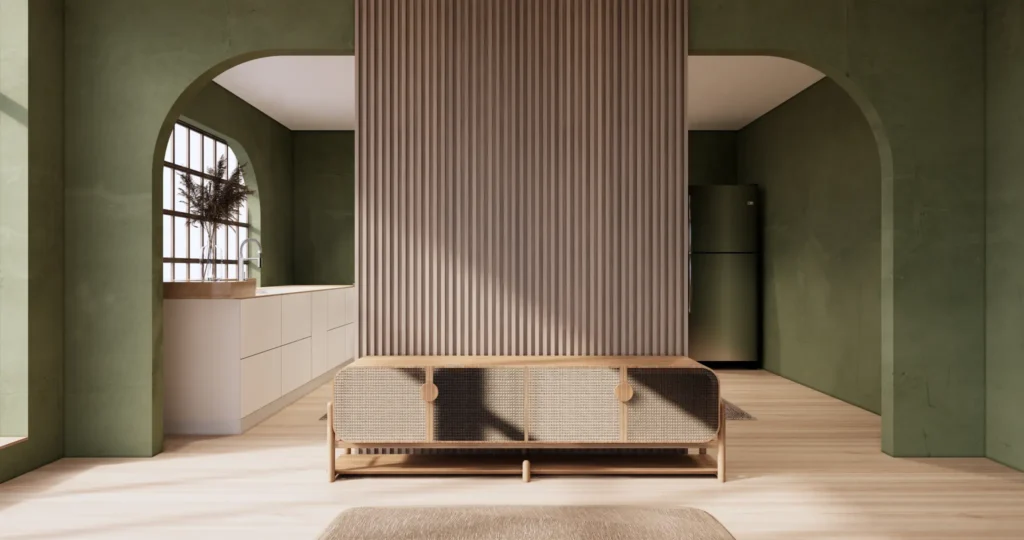
Japanese minimalism crossed with Scandinavian warmth, the fastest-growing style in our project pipeline over the past two years.
What it actually looks like in practice:
- Very low-profile furniture (platform beds, low coffee tables)
- Natural materials: oak, ash, bamboo, paper, linen
- Restrained palette: warm white, soft grey, muted forest green, terracotta
- Sliding panels or shoji-inspired room dividers
- Ceramics, raku pottery, ikebana arrangements
- No visual clutter, built-in storage hides everything
Japandi works exceptionally well in 2–3 BHK apartments, and is currently our most-requested style from clients aged 30–45 in tech and creative roles. The lifestyle-fit element matters: this is a style that demands a tidy daily life. Households that accumulate clutter quickly find Japandi homes harder to maintain.
Choosing your style — the practical question
In our experience, most homeowners benefit from picking one dominant style and incorporating elements from a second compatible one. Pure-style purism is rare and generally doesn’t survive contact with how an Indian family actually lives, the kitchen handles a lot of cooking, the entry has to accommodate daily footwear, the living room hosts visitors who expect comfort.
Pairings that work well in our projects:
- Indian Minimalist + Japandi, the calm of minimalism with the warmth of natural materials
- Modern Contemporary + Mid-Century, the flexibility of contemporary with statement furniture pieces
- Luxury Modern + Industrial, premium materials with edge
Pairings that rarely work:
- Industrial + Japandi, directly opposite warmth-and-rawness palettes
- Luxury Modern + Indian Minimalist, one wants to display, the other to remove
Bengaluru vs. Hyderabad: style demand we observe
In our project records over the past 18 months:
- Bengaluru clients lean toward Modern Contemporary, Japandi, and Indian Minimalist. The IT and finance professional demographic tends toward editing and restraint.
- Hyderabad clients lean toward Luxury Modern, Modern Contemporary, and Mid-Century. Local tradition favours warmer palettes and richer material expression.
Both cities have rapidly growing Japandi demand, particularly in Banjara Hills, Jubilee Hills, HSR, and Sarjapur Road.
See these styles in our experience centres
We’ve designed homes in every one of these styles across Bengaluru and Hyderabad. Visit our experience centres in Bangalore or Gachibowli, Hyderabad to see materials, finishes, and full-scale room sets in person, or book a free style consultation →.